
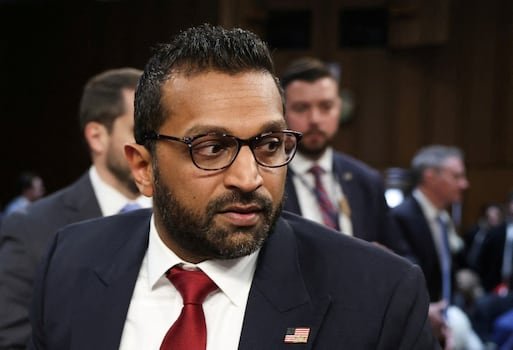
FBI Director Kash Patel Initiates Defamation Suit Against The Atlantic Over Controversial Article
By Jana Winter
Background of the Dispute
FBI Director Kash Patel has launched a defamation lawsuit targeting The Atlantic magazine and its journalist Sarah Fitzpatrick following the release of a contentious article on Friday. The piece alleged that Patel struggles with alcohol abuse, raising concerns about potential risks to national security.
Details and Claims in The Atlantic’s Report
The original article, titled “Kash Patel’s Erratic Behavior Could Cost Him His Job,” drew on over two dozen anonymous insiders who expressed alarm over Patel’s “noticeable intoxication and unexplained absences,” which reportedly unsettled officials within both the FBI and the Department of Justice. The online version of the story was later retitled “The FBI Director Is MIA.”
The report claimed that during Patel’s leadership, early FBI meetings were frequently postponed due to his “alcohol-fueled nights,” and that his frequent unavailability caused delays in critical, time-sensitive decisions essential for advancing investigations.
Official Responses and Denials
Both the White House and the Department of Justice, along with Patel himself, categorically denied the accusations. The article included a direct statement from Patel: “Print it, all false, I’ll see you in court – bring your chequebook.”
We stand by our reporting on Kash Patel, and we will vigorously defend the Atlantic and our journalists against this meritless lawsuit.
– The Atlantic
In an interview with Reuters, Patel condemned the article as “a lie,” emphasizing that The Atlantic was provided with the truth prior to publication but chose to disseminate falsehoods regardless.
Legal Action and Allegations of Malice
Patel’s lawsuit, filed in the U.S. District Court for the District of Columbia, demands $250 million in damages. The complaint asserts that while The Atlantic has the right to critique FBI leadership, it “crossed the legal line” by publishing “false and blatantly fabricated claims” aimed at destroying Patel’s reputation and forcing him out of office.
The suit further alleges that The Atlantic disregarded the FBI’s denials and ignored a letter from Patel’s attorney, Jesse Binnall, sent shortly before publication. This letter requested additional time to address 19 specific allegations the reporter had informed the FBI press office would be included in the article. Despite this, The Atlantic published the story approximately two hours later, without any known response to the request.
The complaint accuses the publication of acting with “actual malice,” a stringent legal standard requiring public figures like Patel to prove that the publisher knowingly disseminated false information or recklessly disregarded doubts about its truthfulness.
“The defendants’ deliberate choice to ignore detailed and substantive refutations in the pre-publication letter, coupled with their refusal to allow reasonable time for response, constitutes some of the strongest evidence of actual malice,” the lawsuit states.
Legal Context and Expert Opinions
The U.S. Supreme Court has established a high threshold for defamation claims involving public figures, mandating proof that the publisher was aware of the falsity of the information or acted with reckless disregard. Media attorney Deanne Schullman of Shullman Fugate in Florida commented, “Proving actual malice is a formidable challenge. Simply failing to seek comment from the other party does not meet this standard.” She expressed skepticism about the lawsuit’s chances of success.
Attorney Jesse Binnall’s Background
Jesse Binnall, representing Patel, is a well-known Republican lawyer who has defended former President Donald Trump in multiple civil lawsuits, including cases related to the January 6 Capitol riot. Binnall has also represented Trump’s eldest son, Donald Trump Jr., former National Security Advisor Mike Flynn, and managed Trump’s legal challenge to Nevada’s 2020 election results.
Context Within Broader Media Litigation
This lawsuit adds to a series of legal battles involving figures from the Trump administration suing media organizations. Previous cases include Trump’s dismissed lawsuits against CNN, the New York Times, and the Wall Street Journal over election-related coverage. However, some cases have resulted in settlements, such as ABC News agreeing to pay $15 million plus $1 million in legal fees, and Paramount Global settling for $16 million over allegations of “deceptive editing” in a CBS News interview with Vice President Kamala Harris, a 2024 presidential candidate.
Conclusion
The defamation suit filed by Kash Patel against The Atlantic highlights ongoing tensions between political figures and the media, especially concerning allegations that could impact national security and public trust. As the case unfolds, it will test the boundaries of press freedom, journalistic responsibility, and the legal protections afforded to public officials.