
Crucial Funding Unlocks for Gauteng’s Priority Sectors Following Initial Budget Approval Challenges


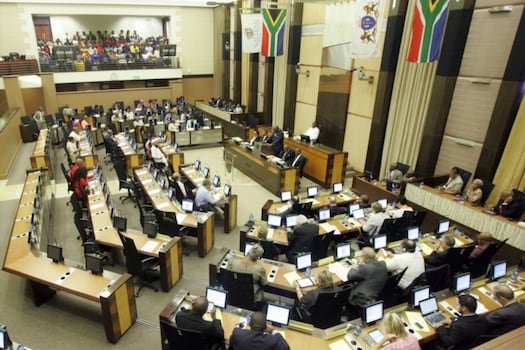
The South African Communist Party (SACP) in Gauteng has expressed strong approval of the recently ratified 2026/27 provincial budget. Although the budget faced initial postponements because of insufficient backing, it was ultimately passed in a subsequent assembly held on March 31.
With a total allocation of R179.2 billion, this budget is set to significantly bolster essential sectors including education, healthcare, transportation, infrastructure development, social welfare, and economic coordination efforts across the province.
Nkosithethile Bonga, spokesperson for the SACP, emphasized that a prolonged impasse at the provincial level would have exacerbated existing governance challenges, reflecting the dysfunction already evident in local municipalities.
“Failure to pass the budget on the second attempt would have led to severe consequences such as delays in departmental expenditures, halts in infrastructure initiatives, interruptions in critical service delivery, procurement uncertainties, and heightened pressure on urgent needs like water supply, road maintenance, healthcare, and education,” Bonga explained.
Recent data from the Gauteng Treasury indicates that the budget prioritizes sustainable infrastructure projects and aims to improve service delivery efficiency, aligning with the province’s strategic development goals for 2026 and beyond.
For instance, the transport sector is slated to receive increased funding to expand public transit networks, addressing the growing demand from Gauteng’s rapidly urbanizing population, which has increased by approximately 2.5% annually over the past five years.
Moreover, the healthcare budget includes provisions for upgrading clinics and hospitals, aiming to reduce patient wait times and improve access to quality care, a critical need underscored by recent public health challenges.
TimesLIVE
Featured Picks