
Key Developments at the DA’s Federal Congress 2026

April 11, 2026, 8:31 AM
John Steenhuisen Reflects on His Departure as DA Leader

Outgoing Democratic Alliance leader John Steenhuisen described his exit as a moment filled with mixed emotions. “For the first time, I am not contesting for leadership, but I am proud to leave the party in a stable and unified state,” he stated.
He emphasized that the upcoming federal congress marks a pivotal generational shift in the party’s leadership structure.
April 11, 2026, 8:00 AM
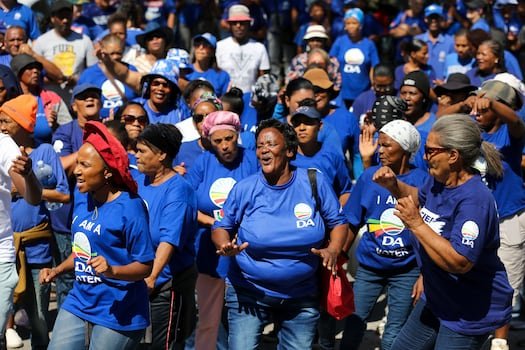
The Democratic Alliance is poised for significant leadership transformations as it convenes its federal congress this weekend in Johannesburg. This event is historic, as it will be the first time the party simultaneously appoints new individuals to the roles of federal leader and federal council chairperson.
These changes come after the DA’s inaugural term as a governing partner within the Government of National Unity (GNU). John Steenhuisen will step down as federal leader, and Helen Zille, the current federal council chair, has opted not to seek re-election.
Delegates-numbering approximately 2,500-will also debate the introduction of a deputy federal leader position and the party’s ongoing participation in the GNU coalition.
Emerging Leadership and Strategic Direction
Geordin Hill-Lewis, the mayor of Cape Town, is widely regarded as the leading candidate for the federal leadership. His political approach is often linked to the legacy of Helen Zille’s leadership era. Alongside Hill-Lewis, Ashor Sarupen, who currently serves as the first deputy chair of the DA federal council, represents a younger cohort of leaders focused on repositioning the DA as a proactive governing party rather than merely an opposition force.
The congress is also expected to elevate more black leaders into prominent roles. Notable figures in contention include Communications and Digital Technologies Minister Solly Malatsi and Basic Education Minister Siviwe Gwarube, both seen as influential voices within the party’s future leadership landscape.
Another prominent contender is Sibusiso Dyonase, leader of the DA’s Sedibeng caucus, who is challenging Hill-Lewis for the top leadership position, highlighting a competitive race among the party’s “Young Turks.”
Context and Future Outlook
This leadership transition occurs at a critical juncture for the DA, as it seeks to consolidate its role within South Africa’s multiparty democracy. Recent polls indicate that the DA’s support base is evolving, with younger voters increasingly drawn to parties that demonstrate clear governance capabilities and innovative policy solutions. The outcomes of this congress will likely shape the party’s strategy ahead of the 2029 national elections.
Editor’s Picks