
Wednesday 08 April 2026 – 08:00am
Surge in Drunk Driving Arrests Highlights South Africa’s Road Safety Crisis
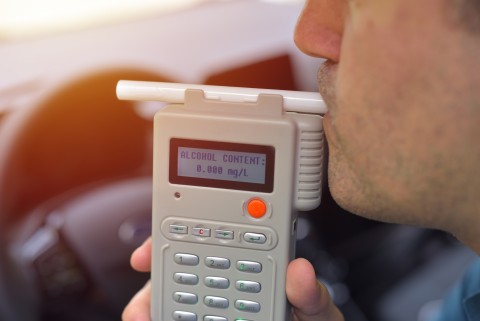
JOHANNESBURG – The recent Easter weekend saw a dramatic rise in drunk driving apprehensions, reigniting urgent discussions about road safety across South Africa.
According to the Road Traffic Management Corporation (RTMC), nearly 1,000 drivers were detained for driving under the influence during the holiday period, marking a 39% increase compared to the same timeframe last year.
In addition, law enforcement agencies confiscated over 1,000 vehicles amid intensified road safety operations.
Experts attribute part of this surge to enhanced policing efforts, including the implementation of a three-shift patrol system that has significantly increased road surveillance.
However, specialists caution that these figures reveal a more profound and persistent issue beyond just enforcement.
Alcohol’s Pivotal Role in Road Fatalities
Dr. Lee-Ann Randall, a leading researcher with the Road Ethics Project, emphasizes that alcohol consumption remains a dominant factor in South Africa’s road traffic deaths.
Data from the World Health Organization indicates that approximately 58% of fatal road accidents in the country involve alcohol impairment, ranking among the highest globally.
Randall highlights that even minimal alcohol intake can significantly diminish a driver’s reaction time and judgment, escalating both the probability and severity of collisions.
Systemic Issues: Corruption and Unsafe Vehicles
Beyond driver behavior, Randall draws attention to corruption within the vehicle roadworthiness certification process. Some vehicles with critical safety defects are reportedly being approved for road use.
Instances have been reported where vehicle owners temporarily install compliant parts, such as tires, to pass inspections, only to remove them immediately afterward, undermining safety standards.
Financial constraints and limited access to reliable transportation options force many South Africans to rely on unsafe vehicles, further exacerbating the risk on the roads.
Shared Responsibility and Infrastructure Deficiencies
Randall stresses that improving road safety requires collective accountability from drivers, law enforcement, and the general public. Yet, poor adherence to traffic laws, including low seatbelt usage, continues to endanger lives.
Infrastructure shortcomings also play a critical role. The scarcity of pedestrian-friendly amenities-such as sidewalks, safe crossings, and overpasses-leaves vulnerable road users exposed to danger.
Until there is a nationwide demand for safer road systems and a cultural shift towards responsible road use, South Africa’s road safety challenges are unlikely to see significant improvement.
Looking Ahead: The Need for Comprehensive Solutions
Recent statistics from the South African Department of Transport reveal that road fatalities have plateaued despite increased enforcement, underscoring the need for multifaceted interventions.
Examples from countries like Sweden, which has successfully reduced road deaths through Vision Zero initiatives combining strict law enforcement, public education, and infrastructure upgrades, offer valuable lessons.
South Africa’s path forward must integrate enhanced policing with systemic reforms, public awareness campaigns, and substantial investment in safer road infrastructure to curb the alarming trend of road accidents.