
Patient Demands Full Accountability from Hospital Following Severe Medication Reaction
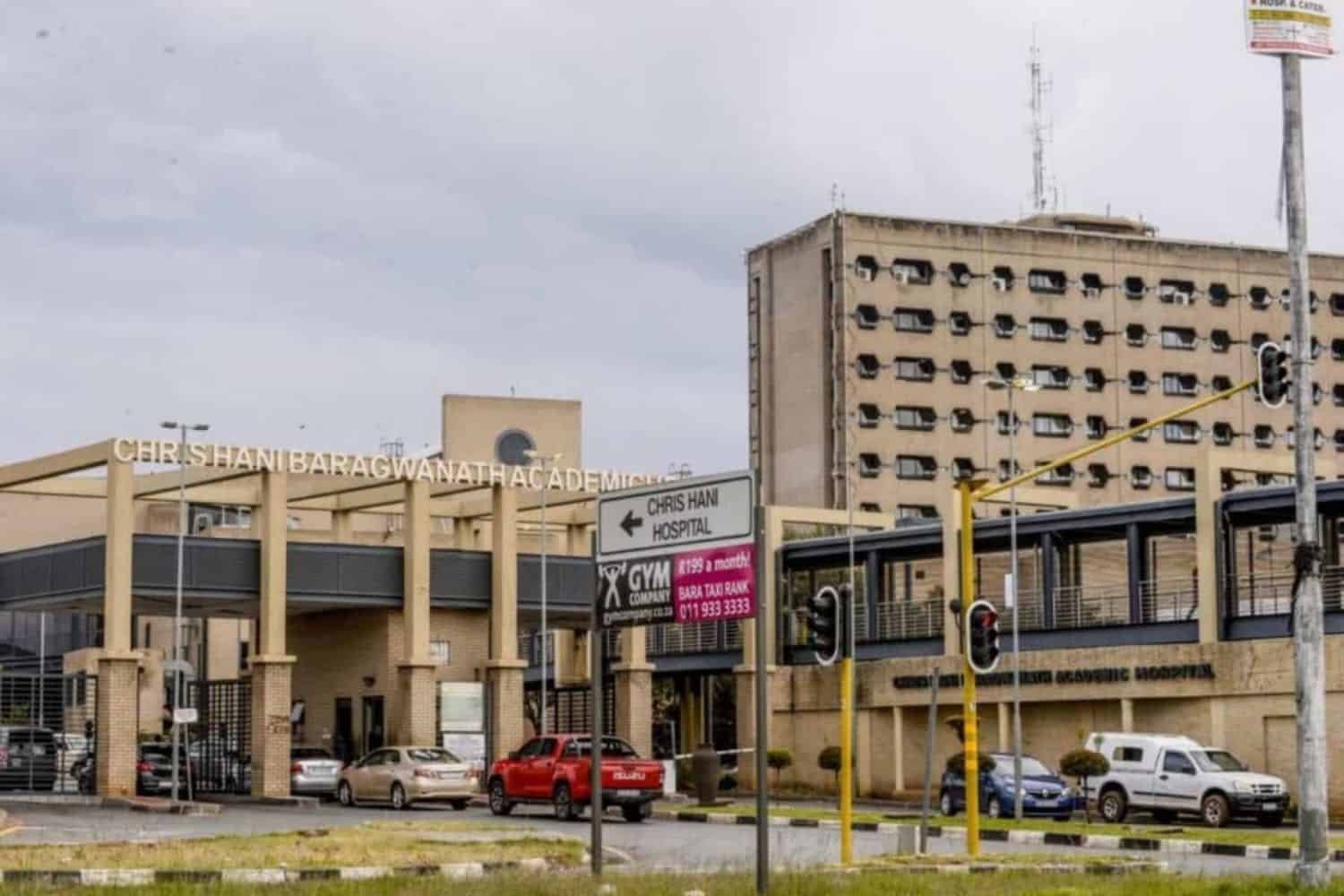
The Gauteng Department of Health is actively probing claims made by Venetia Khonkie, a resident of Eldorado Park, who developed Stevens-Johnson syndrome (SJS)-a rare but life-threatening skin condition-after a medication change at Chris Hani Baragwanath Academic Hospital. The switch involved her epilepsy treatment, which was altered without adequate disclosure of potential risks.
According to the department, “Ms Venetia Khonkie has lodged a formal complaint regarding her care at Chris Hani Baragwanath Academic Hospital. The allegations are under thorough investigation, and the findings will be communicated to her within the stipulated timeframe.”
Initial Diagnosis and Medication Change
Khonkie was initially admitted to the hospital in November last year following seizure episodes. She was diagnosed with epilepsy and prescribed Epilim (sodium valproate). During a follow-up visit in February, a doctor switched her medication to Lamotrigine, citing concerns about Epilim’s potential teratogenic effects, especially since Khonkie expressed a desire to have children in the future.
She was given two dosages of Lamotrigine: 25mg for the first two weeks, followed by 50mg for the subsequent two weeks. However, Khonkie asserts that the prescribing doctor failed to inform her about the serious side effects associated with Lamotrigine, including the risk of SJS.
“The doctor only asked if I wanted to have children again and handed me the medication packs without discussing any side effects,” Khonkie explained.
Early Symptoms Mistaken for Minor Ailments
Within days of increasing the dosage, Khonkie began experiencing troubling symptoms. She visited a local clinic in Eldorado Park, initially believing she had pink eye. However, her condition rapidly worsened, with painful urination and the appearance of pimples and blisters on her neck, face, and lips.
Despite these alarming signs, a nurse at the clinic dismissed her concerns and advised her to visit St John’s Eye Hospital, a referral Khonkie found perplexing given the systemic nature of her symptoms. No diagnostic tests or treatments were provided, nor was emergency transport arranged.
“I showed her my body covered in blisters and asked why I was being sent to an eye hospital. She had no explanation,” Khonkie recounted.
Emergency Hospitalization and Diagnosis of Stevens-Johnson Syndrome
The next morning, Khonkie’s condition deteriorated significantly, prompting her to call an ambulance. Upon arrival at Chris Hani Baragwanath Academic Hospital, a multidisciplinary team including dermatologists immediately diagnosed her with Stevens-Johnson syndrome, a severe allergic reaction often triggered by medications like Lamotrigine.
She was admitted urgently. A specialist warned her, “This is a deadly condition; it can be fatal.” Within 24 hours, Khonkie’s skin began to peel off, resembling third-degree burns covering her head, face, neck, back, and sensitive areas.
Her eyes were severely affected, impairing her vision and requiring intensive care, including the use of a Continuous Positive Airway Pressure (CPAP) machine to assist breathing during sleep. “Visitors couldn’t even recognize me; my skin was blackened from the burns,” she said.
Over her two-week hospitalization, Khonkie was treated by approximately 20 specialists, including neurologists, dermatologists, gynecologists, and ophthalmologists. Her epilepsy medication was eventually changed to Keppra (levetiracetam).
Concerns Over Informed Consent and Patient Rights
Central to Khonkie’s grievance is the claim that the prescribing doctor failed to inform her about the risk of Stevens-Johnson syndrome associated with Lamotrigine, thereby denying her the opportunity to make an informed choice regarding her treatment.
“Had I been told about the side effects, I could have accepted the risks knowingly. Instead, I was left in the dark and suffered the consequences,” she stated.
The Department of Health acknowledged the importance of patient education, emphasizing that “prescribing clinicians and pharmacists are required by the Safe Administration of Medicine Standard Operating Procedure to inform patients about potential side effects and proper medication use.”
Dispute Over Missing Medical Records
Khonkie also alleges that her patient file went missing after her partner handed it to hospital staff during her emergency admission in February, complicating her care. The file contained critical information needed to understand her adverse reaction.
However, the department refuted this claim, confirming, “The hospital retains the inpatient file; no records have been lost as alleged.” They also noted confidentiality constraints limit the details they can publicly share.
Ongoing Health Challenges and Financial Hardship
Weeks after discharge, Khonkie continues to face significant health challenges. She attends weekly follow-ups at Bara and is scheduled for surgery at St John’s Eye Hospital to correct eyelid adhesions that impair her vision.
“My eyelids have fused to my eyeballs, and I can barely see,” she explained.
Financially, Khonkie is struggling. As a self-employed hairstylist, makeup artist, and lash technician, she relies solely on her skills to support her two children as a single mother. Currently, she is unable to work due to her impaired vision and skin condition.
“I can’t use any products on my hands because of the skin damage, and I’m unable to earn an income. We survive on about R2,000 a month in government grants,” she said.
Adding to her burden, Khonkie received a hospital bill of R1,200, including transport and medication fees. “How am I supposed to pay when the hospital’s negligence caused my illness?” she questioned.
Psychological Support Offered but Financially Inaccessible
The department stated it will continue to provide both physical and mental health support, including psychological group sessions held at Bara on Fridays.
However, Khonkie highlighted the impracticality of attending these sessions due to transport costs and her fragile health. “I can’t afford the travel expenses, and my body needs months to recover. How will I care for myself and my children during this time?”
The department confirmed that it does not provide transport for patients accessing any services, including psychological care.
Commitment to Quality Care and Ongoing Investigation
Khonkie is in the process of submitting a formal complaint, seeking full accountability from the hospital-not only for her medical expenses and lost earnings but also for the emotional and psychological toll on her family.
“My children have suffered trauma and performed poorly at school. My life has been irreversibly changed-physically, mentally, and emotionally,” she said.
The Department of Health reaffirmed its dedication to delivering quality healthcare and supporting Khonkie throughout her recovery. The investigation into the incident remains active.